
- Read on: This could save you years of heartache and frustration…
- So you’ve written a book; now what? Or, how best to get it published?
- Shifting literary landscape: Just how useful are major publishers nowadays?
- Their bulk-printed runs of thousands of physical copies may not be best
- Digital revolution has largely changed the way we access information
- Nothing can replace feel of a physical book but digital also essential
- Internet: Most total daily time online is spent on mobile devices

In a slight digression from this site’s usual content, I get asked quite a lot about publishing so to save continually repeating myself, decided it was time to dump my thoughts here to easier direct folk towards them. Though this information applies to all literary genres, it’s especially slanted towards non-fiction and academic authors – particularly those concerned with cinema, natch.
Platform Hiburan Slot Online Modern dan Perjalanan Evolusi Pengalaman Gaming Digital
Industri hiburan digital terus bergerak maju aman788.top dengan sangat cepat seiring perkembangan teknologi yang mengubah cara masyarakat menikmati pengalaman interaktif. Saat ini, platform gaming online semakin mudah dijangkau, lebih fleksibel, dan hadir dengan berbagai inovasi yang membuat pengguna dapat mengeksplorasi beragam bentuk hiburan melalui smartphone, tablet, hingga perangkat ayo788.top desktop. Di antara banyaknya kategori hiburan digital yang berkembang, permainan bergaya slot online masih menjadi salah satu pilihan yang cukup populer karena menawarkan konsep yang sederhana gghoki.top, tema kreatif, serta tampilan visual yang mampu memberikan pengalaman lebih menarik.
Perubahan Ekspektasi Pengguna di Era Digital
Perubahan gaya hidup digital membuat pengguna modern ggtoto.top tidak lagi hanya mencari hiburan yang sekadar bisa dimainkan. Mereka mulai memperhatikan banyak aspek lain seperti kemudahan akses, tampilan platform yang nyaman, navigasi yang simpel, serta pengalaman penggunaan yang terasa lebih personal. Bukan cuma soal membuka permainan lalu selesai, tetapi bagaimana sebuah platform mampu memberikan gokil33.link suasana yang cocok dengan kebutuhan pengguna masa kini yang serba cepat dan praktis.
Perkembangan tersebut mendorong berbagai penyedia hiburan online gototo.bz untuk terus melakukan pembaruan. Mulai dari meningkatkan performa sistem, mempercepat akses melalui perangkat mobile, hingga menciptakan desain yang lebih responsif. Semua dilakukan agar pengalaman digital terasa lebih smooth, modern, dan relevan dengan kebiasaan pengguna yang semakin bergantung pada teknologi dalam aktivitas haha788.top sehari-hari.
Konsep Sederhana yang Membuat Hiburan Digital Lebih Mudah Dinikmati
Salah satu alasan mengapa hiburan slot hahagacor.top tetap memiliki daya tarik adalah karena konsep permainannya yang mudah dipahami. Berbeda dengan beberapa jenis permainan yang membutuhkan strategi rumit atau waktu lama untuk mempelajari mekanismenya, permainan bergaya slot hao788.link biasanya menawarkan interaksi yang lebih sederhana. Pengguna dapat langsung memahami tampilan, mengenali berbagai elemen permainan, dan menikmati berbagai tema yang tersedia tanpa harus melewati hwtoto.sbs proses belajar yang panjang.
Kesederhanaan inilah yang membuat kategori hiburan istana2000.link tersebut mampu menjangkau berbagai kalangan pengguna. Ada yang menikmatinya hanya untuk mengisi waktu luang, sementara sebagian lainnya tertarik mengeksplorasi fitur, desain, dan konsep kreatif yang ditawarkan. Kombinasi antara kemudahan penggunaan dan variasi tampilan menjadi salah satu faktor yang membuat pengalaman liga2000.top seperti ini terus berkembang mengikuti tren.
Faktor yang Membuat Platform Digital Semakin Berkembang
- Kemudahan akses melalui berbagai perangkat modern.
- Tampilan visual yang semakin kreatif dan interaktif.
- Sistem navigasi yang lebih sederhana untuk pengguna.
- Performa platform yang terus mengalami peningkatan.
- Pengalaman digital yang semakin menyesuaikan kebutuhan pengguna.
Peran Teknologi Mobile dalam Perkembangan Hiburan Online
Kemajuan teknologi internet liga5000.sbs juga memberikan perubahan besar terhadap cara orang mengakses hiburan online. Dengan koneksi yang semakin cepat dan stabil, pengguna kini dapat menikmati layanan digital dengan lebih nyaman tanpa harus ligatoto.link bergantung pada perangkat tertentu. Kehadiran aplikasi mobile dan website dengan desain adaptif membuat pengalaman hiburan bisa dilakukan kapan saja dan dari berbagai tempat mcmtoto.link.
Dunia digital saat ini sangat mengutamakan kenyamanan pengguna naga2000.link. Sebuah platform tidak lagi dinilai hanya dari jumlah konten naga5000.cc atau permainan yang tersedia, tetapi juga dari kualitas pengalaman secara keseluruhan. Tampilan yang rapi, perpindahan halaman yang cepat, sistem yang responsif, serta menu yang tertata menjadi bagian penting https://pptoto.click/ dalam menciptakan pengalaman yang lebih menyenangkan.
Kreativitas Visual dan Inovasi dalam Dunia Gaming Modern
Selain aspek teknologi, kreativitas visual pptoto.link juga menjadi elemen yang sangat berpengaruh. Permainan digital modern kini hadir dengan desain grafis yang semakin detail, animasi yang lebih hidup, serta konsep yang terinspirasi dari berbagai budaya, cerita, dan gaya seni pucuk33.sbs. Para pengembang terus mencoba menghadirkan ide-ide baru agar pengalaman bermain tidak terasa monoton dan tetap memiliki daya tarik di tengah persaingan industri digital yang semakin ramai rextoto.link.
Tren hiburan online yang terus berubah membuat inovasi rrtoto.link menjadi hal yang wajib dilakukan. Pengguna masa kini mudah slot2000.link tertarik dengan sesuatu yang fresh, unik, dan memiliki karakter tersendiri. Oleh karena itu, pengembangan konsep visual dan fitur interaktif menjadi salah satu cara untuk menciptakan pengalaman yang lebih berkesan xxtoto.link.
Aksesibilitas dan Pengalaman Personal Pengguna
Selain inovasi tampilan, aksesibilitas juga menjadi perhatian https://amytaylorkabbaz.com/about/ utama dalam perkembangan platform digital. Setiap pengguna memiliki kebiasaan dan preferensi yang berbeda. Ada yang menyukai sesi hiburan singkat saat memiliki waktu senggang, sementara ada juga yang lebih suka menjelajahi berbagai fitur secara mendalam. Karena itu, platform modern berusaha menghadirkan pilihan yang lebih luas agar setiap pengguna dapat menemukan pengalaman yang sesuai dengan gaya https://avatarhealthcare.com/home-care-set-an-appointment mereka.
- Pengguna dengan waktu terbatas dapat menikmati pengalaman yang lebih praktis.
- Pengguna yang suka eksplorasi dapat menemukan berbagai fitur menarik.
- Platform modern berusaha memberikan pengalaman yang lebih fleksibel.
Tren Komunitas dan Perkembangan Budaya Digital
Dalam komunitas online, istilah https://zeobrothers.com/careers/ tertentu sering digunakan untuk menggambarkan permainan yang sedang ramai diperbincangkan atau banyak diminati. Hal tersebut biasanya mencerminkan tren dan antusiasme pengguna terhadap suatu pengalaman digital. Namun, hasil dalam permainan berbasis sistem tertentu tetap bergantung pada mekanisme yang telah diprogram https://www.jdfweb.com/music-director/ dan faktor acak, sehingga setiap sesi dapat memberikan hasil yang berbeda.
Popularitas sebuah permainan tidak selalu berarti https://cobramoto.com/manuals/ hasil tertentu akan terjadi. Ketertarikan pengguna lebih menggambarkan bagaimana sebuah konsep mampu menarik perhatian komunitas digital. Oleh karena itu, memahami hiburan online sebagai bentuk rekreasi digital tetap menjadi hal penting agar pengguna dapat menikmati pengalaman dengan cara https://superhao788.com/ yang lebih bijak.
Keamanan dan Stabilitas Platform Digital
Perkembangan teknologi juga mengubah hubungan antara https://cddmoz.org/consultorias/ pengguna dan platform hiburan. Saat ini, pembaruan sistem, peningkatan fitur, serta komunikasi digital dapat dilakukan jauh lebih cepat dibandingkan era sebelumnya. Pengembang dapat terus https://africanarguments.org/2017/10/fighting-african-insurgencies-are-vigilantes-the-solution/ melakukan evaluasi berdasarkan kebutuhan pengguna sehingga platform mampu berkembang mengikuti perubahan zaman.
Aspek keamanan dan stabilitas juga menjadi faktor penting dalam dunia hiburan digital. Pengguna semakin memperhatikan bagaimana sebuah layanan menjaga informasi pribadi, memberikan perlindungan akun, serta memastikan sistem berjalan dengan baik. Kepercayaan dalam lingkungan digital dibangun melalui pengelolaan teknologi yang bertanggung jawab, transparansi, dan peningkatan kualitas secara berkelanjutan.
Masa Depan Industri Hiburan Gaming Digital
Melihat ke depan, perkembangan teknologi seperti kecerdasan buatan, peningkatan perangkat mobile, desain interaktif, dan konektivitas digital kemungkinan akan terus membawa perubahan https://www.lifepakistan.com/contact besar dalam industri hiburan online. Inovasi baru akan terus muncul untuk menciptakan pengalaman yang lebih kreatif, praktis, dan sesuai dengan kebutuhan pengguna modern.
Evolusi hiburan slot digital menjadi gambaran bagaimana dunia hiburan telah berubah mengikuti perkembangan teknologi. Dari konsep sederhana yang sebelumnya hanya berfokus pada interaksi dasar, kini berkembang menjadi pengalaman digital yang lebih kompleks dengan dukungan desain kreatif dan sistem modern.
Saat ini, pengguna memiliki lebih banyak pilihan, akses yang lebih mudah, serta pengalaman hiburan yang semakin personal dibandingkan sebelumnya. Perubahan kebiasaan digital akan terus mendorong platform hiburan untuk beradaptasi agar tetap relevan.
Perpaduan antara teknologi, kreativitas, dan fokus https://brentonfilm.com/writing-on-a-classic-suspicion-1941-part-2 terhadap kebutuhan pengguna akan menjadi faktor utama yang membentuk masa depan industri gaming digital. Baik melalui perangkat mobile maupun platform digital lainnya, pengalaman gaming modern menjadi bukti bagaimana teknologi telah mengubah cara manusia menikmati hiburan di era yang semakin terkoneksi.
My thinking on conventional print publishing has evolved over the years, from initially considering it superior to self-publishing in every way, and ahead of digital in most regards. Now though, I believe it to be almost the complete opposite: the big companies and physical-only books were indispensable once but that hasn’t been the case for a long time. Here’s why:
Received wisdom is that major publishers confer an air of respectability; after all, surely they wouldn’t touch your book if it wasn’t any good, would they? But having the name or logo of a major publisher on the spine is no guarantee of quality. Without naming and shaming, the news is littered with countless examples of “respectably” printed books, both major and minor, which turned out to be deeply flawed in some way, resulting in great embarrassment and mea culpas all round. And sometimes even legal action, whereby swift recalls and pulping ensued.
Conversely, self-publishing has been historically viewed as the hallmark of a deluded ego gone rampant. Not for nothing is it equally well-known as “vanity” publishing. But consider the deep, shameful stigma attached to dating agencies and websites up until just a few years ago – Carry On Loving, anyone? – not only are they now considered the norm and totally acceptable, folk are often surprised when they hear couples met via “old fashioned” real-world methods. Well, the same has also happened with self-publishing.
Perhaps major publishers can theoretically distribute your work more widely and, due to their contact networks and general influence, ensure copies end up in many libraries and learning institutions. But far more frequently the opposite seems to be the case. Some publishers will add your book to a recommended list of titles for organisations to buy but beyond that, all too often they do little or nothing to promote it. Time and again, I’m asked by authors to help publicise their books as seemingly nothing is being done, only to find that my mentions or social media posts are the only ones they’ve had. There’s not much point in your publisher of choice having a huge online following if they’re not prepared to use it in service of their own product.
Note that on those occasions when you do see a book being plugged relentlessly, with articles, reviews, interviews etc, it’s usually the author themselves or an agency they’ve hired doing all the donkey work and nothing whatsoever to do with the publisher.
There isn’t space here to delve sufficiently into the myriad threats posed by encroaching AI; suffice it to say you can’t count on major publishers to have your back. In the biggest instance of proven copyright theft in history (so far), AI corporation Anthropic downloaded millions of pirated books and works in every other media, and used them to train their ‘Claude’ large language models (LLMs). A class-action lawsuit resulted in a settlement of $1.29 billion after requested deductions and legal fees, resulting in an estimated $3,000 per book, to be distributed evenly between authors and publishers. And that’s just the beginning.
Inadequate as that was – AI companies usually proceed on the basis it is easier to ask for forgiveness than permission – at least there was some accountability. But even on the occasions when they ask first, it makes little to no difference. I know a historian who went through a major specialist publisher a couple of decades ago. Come 2026, said publisher got in touch to ask if she’d be willing to let an AI company appropriate her work for LLM training, for a truly measly one-off payment of $200. Despite a resounding “No”, the company gave permission anyway and quietly pocketed both theirs and my friend’s fees. She eventually found out and started researching her options, only to find she could do less than nothing as the publisher had neglected to register copyright, leaving the work with only basic protection and its creator no recourse to file a copyright infringement lawsuit in US federal court. Believe me, this was far from a single instance of egregious oversight on behalf of the publisher but a depressingly commonplace occurrence, leaving heaven knows how many authors in the lurch. Truly a mess, and that’s from placing oneself in the hands of so-called professionals.

Beyond an initial gratuity, authors often find further royalty payments are not forthcoming and sales have seemingly flatlined, with no way to know whether their work is actually selling or not. And it’s only going to get worse. And worse. With traditional publishers, royalty rates are anywhere between 7-25%; unless your name is J. K. Rowling or Stephen King, guess which end you’ll be at. Conversely, with self-publishing, depending on the method you choose, returns are 70-100% and you have direct, copy-by-copy access to sales figures.
With a traditional publisher, however dissatisfied an author becomes with their experience they’re not free to move their work elsewhere. Even if they retain copyright in their text, and perhaps images, the publisher is the de facto “owner” in terms of overall layout, design etc. Possession really is nine-tenths of the law.
I have first-hand knowledge of several globally respected, bestselling non-fiction authors whose books, much to their embarrassment and frustration, are now decades out of date. Yet despite them having fully updated drafts containing the latest research ready to go, the books are still being sold in their original form or even completely out of print, with their authors’ repeated pleas to update or simply just reprint them falling on deaf ears. And there isn’t a damn thing they can do about it. Some of them are reaching the end of long, illustrious lives and careers, and their dearest wish to see the most fully realised visions of their magnum opuses made publicly available seems likely to be thwarted. This is truly heartbreaking stuff.
The whole sorry state of affairs is also analogous to musicians who don’t own their publishing or mechanical (actual recordings) rights, or filmmakers who don’t control their own films. This has led to the biggest issues of the professional careers of The Beatles, Rolling Stones, Prince, George Michael and Taylor Swift, among countless others. Long after their work has made untold fortunes for the companies who originally funded it and repaid them many times over, the actual creators have no say in what happens to it, and little or no share in the ongoing profits. Or there are works that have been locked away for years gathering dust, with no one able to compel the keyholders to release them for public consumption and enjoyment. I honestly don’t know which scenario is worse.
There is another potential downside to entrusting external publishers with precious photos and documents for scanning and formatting: the risk of never getting them back. This happens more often than you might think; again, I know of at least two historians who, after repeated requests for long overdue, priceless original materials, were finally told they had been unfortunately been irrevocably “mislaid” or had simply “disappeared”. In each case, this devastating news was accompanied by an insincere apology but no offer whatsoever of any reimbursement.
With the DIY approach, none of this need happen; you retain complete control over every single aspect of your own work – for ever.
Now, a brief word on just one of the ways in which self-publishing works. Film historian Gary Chapman, author of this site’s London’s Hollywood: The Gainsborough Film Studio’s Silent Years article, as of the time of writing has self-published nine books with several others in the pipeline. He has an account with a typical site which provides a simple dashboard similar to WordPress, where you can upload your completed book or edit it in situ. Of course, if you wish it’s easy to engage someone else to take care of editing, proofreading, formatting, cover design, etc. Once completed, you can sell it from there via any site or platform you choose and in any quantity or format such as hardback (with or without dust jacket, of course), paperback, PDF or ebook. Depending on your presentation choices, physical copies are every bit the equal of those printed by anyone else and can include an ISBN or ISSN (archived) for formal recognition.
Here’s the best part: because you can update your book as and when you choose, and it’s print-on-demand, each and every copy sold is the latest, best version possible. This effectively makes errata a thing of the past, although you can always maintain a list of them online for any buyers of earlier printed or PDF editions. Just imagine: an end to the crippling anxiety many experience signing off on the final draft and sending it to the publisher, or the overwhelming annoyance when the first print copies go out and the typos and errata start stacking up!
Another leading proponent of the DIY approach is Kev F. Sutherland, top UK comics creator and comedian: “I use Lulu and D2D to get my books out there. I did have an Amazon KDP account but lost it, which is a shame as that gives you more control of Kindle sales, which is where the money is.o I sell most books face to face, at comic fairs and book fests, and after my classes with kids. Sold over 2,000 last year (2025), all face-to-face signed copies.” Incidentally, Kev’s account was closed because “They, probably a bot, said my book had content I didn’t own, which I did. I tried appealing but after a couple of emails they ghost you. You can never open another KDP account for the rest of your life.” Note that it’s easy to fall foul of Amazon’s automated systems with little to no expectation of a fair hearing, especially when it’s the self-same condemnatory AI delivering judgement. Ironically, the claim probably arose by AI IDing his own content which had been appropriated by others, via AI, and published elsewhere. As if you need a reminder, Amazon is a corporate behemoth that cares not for its customers or people in general.
There are many sites offering a wealth of information demystifying the entire process; it’s certainly worthwhile thoroughly exploring all the options before deciding on the best one for you. But there’s a world of scammers out there, so Writer Beware. Publishing expert Jane Friedman has listed many of the best resources available, and here are a few more:
- SelfPublishing
- UK Book Publishing
- British Book Publishers
- British Book Publishing
- Amazon Kindle Direct Publishing
Something else I’m often asked is why on earth I haven’t published some of my long form, multi-part articles as books. Good question. For me, it’s most important to get the information out there and disseminated as widely as possible. Often, I’m trying to correct longstanding fallacies and misapprehensions, and that simply isn’t possible with a single book, however well it sells – and there’s no guarantee of that happening. On the other hand, in a world where discourse is most commonly seen and shared online, my site hits are currently averaging over a million per year. That’s not bad for the niche subjects featured here, and I’m just getting started. Of course, if someone wants to make an offer I can’t refuse to produce a book as well, I may have to reconsider!
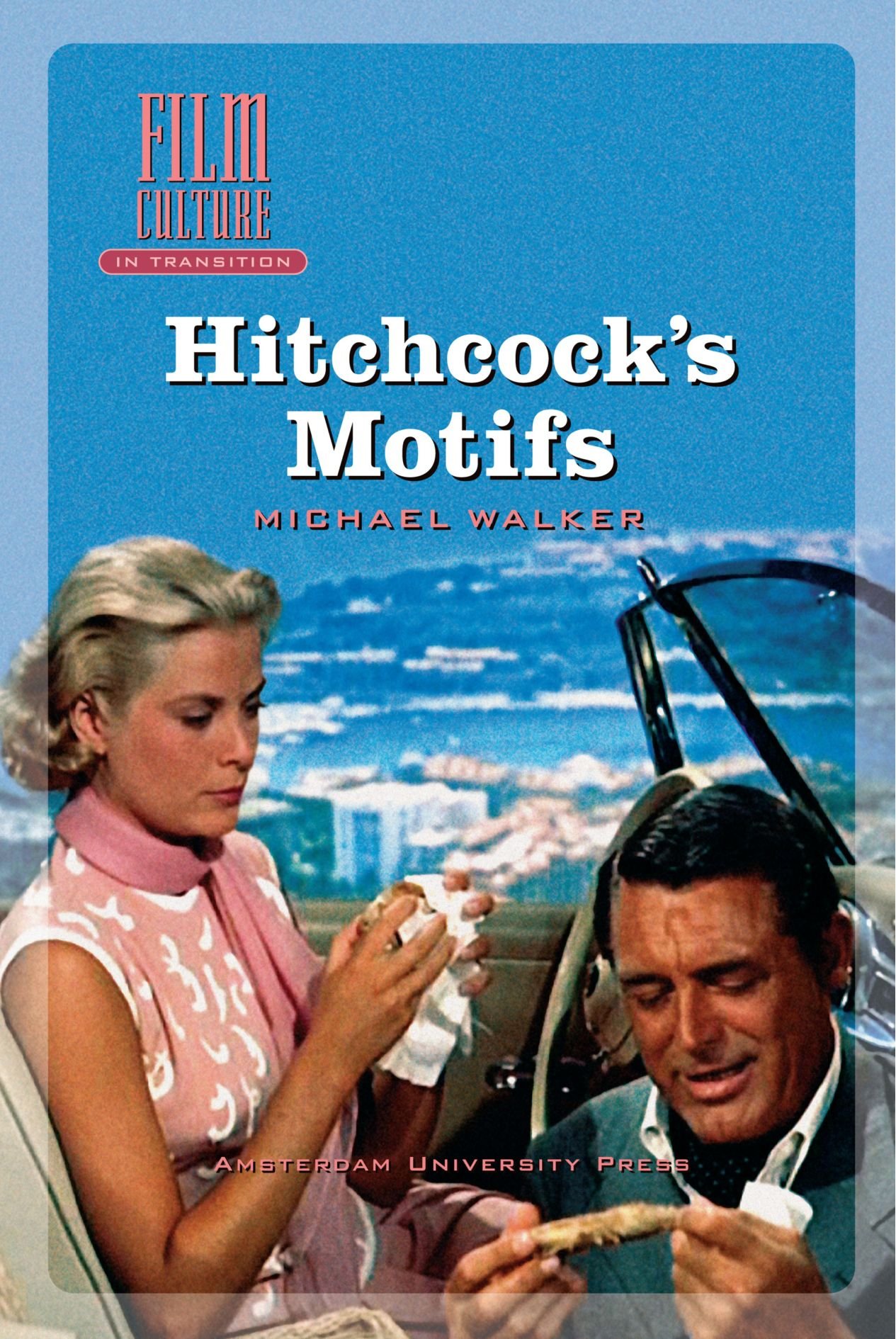
By the way, there are hybrid options too, whereby it’s possible to both have your book sold and distributed by a major publisher, and give it away for free. For instance, Michael Walker’s Hitchcock’s Motifs (2005), exploring the Hitchcock Touch, was initially issued by Amsterdam University Press, then nine years later made available for free via the OAPEN Library and various other scholarly websites. More recently, Victoria Duckett’s first book, Seeing Sarah Bernhardt (2015), is only sold via the University of Illinois Press but not so for its follow-up. With Transnational Trailblazers of Early Cinema (2023), she opted to simultaneously publish and sell it with the University of California Press, and for free via their Luminos Open Access scheme, OAPEN and others. This is because she’s particularly keen for it to read by as many people as possible. You’ll find these and thousands of others on OAPEN’s Directory of Open Access Books, a valuable resource for would-be publishers and researchers alike.
Try to be realistic about the size of the potential market for your work. Unless you’ve a guaranteed number one bestseller on your hands, bear in mind even the more “popular” titles, such as those weighty film star biographies that regularly appear, seldom sell in anything like enough quantities to allow their authors to rely on churning them out full-time for a living. Back in December 2000, much-missed film preservationist David Shepard said in an interview:
“The Lost World (1925) disc will have a second track commentary by Roy Pilot, who did a book that he spent ten years on, called The Annotated Lost World. You’ve seen annotated Bibles, where there’s a page of text and a page of notes? He did that with The Lost World—it’s amazing. Ten years of work, and they printed a thousand copies of the book, and the first edition isn’t sold out in four years. So, it wasn’t hard for Roy to see that a lot more people would hear what he had to say than would ever find his book.”
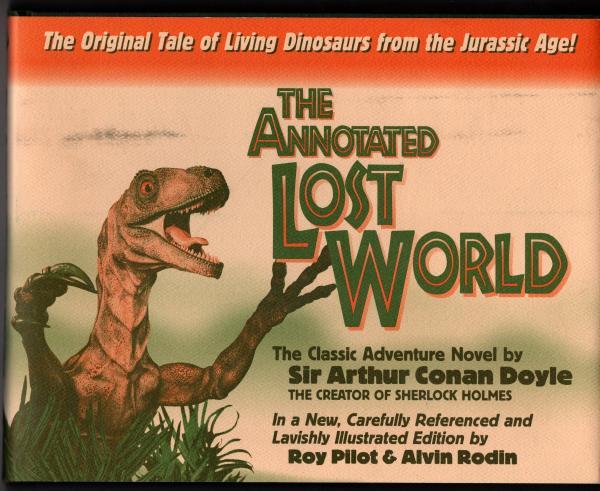
Of course, with virtual publishing you can multiply those commentary-listening figures by an order of magnitude. Lastly, there’s the issue of online permanence, as opposed to physical books. The internet has been around long enough now, and is so deeply embedded in every aspect of the functioning of humankind in general, that I’m pretty sure it isn’t going anywhere unless or until we do. (Mind you, at the current rate that may be sooner rather than later.) Further, thanks to sites like the Internet Archive’s Wayback Machine, archive.today and others, most web pages generating a healthy amount of traffic over time, and many that don’t, are assured of being preserved for posterity in the event the original domain disappears.
There you have it: several potential routes to getting your words out into the world. I’ve nothing against traditional print publishing in general – quite the opposite – but many of us have grown up with it being the de facto choice and know exactly how it works. Or at least think we do. I hope this alternative viewpoint will prompt some to consider your options more carefully and potentially save yourselves untold disappointment, and even heartache.

I completely agree with a lot of what you’ve said here, particularly the change in how people view traditional publishing. Legacy book publishers are no longer the only gatekeepers of credibility for many authors, especially in non-fiction and academic genres, as the landscape has drastically changed. The distinction between professional validation and editorial polish and legacy publishing has become more hazy. Nowadays, a lot of self-published books are on par with or even better than traditionally published ones, especially when the authors take care of peer review, design, and editing. More voices can now be heard without necessarily sacrificing standards… Read more »